
Why Bonsai Culture Took Root in Kagawa
The Kinashi and Kokubunji areas of Takamatsu, Kagawa Prefecture, are widely known throughout Japan as one of its leading bonsai-producing regions. For generations, countless growers here have sustained a thriving industry that supplies pine bonsai and bonsai saplings across the country. This article explores the historical background behind how bonsai culture took root in Kagawa, and what makes it so special.
A Climate Shaped by the Seto Inland Sea
Kagawa Prefecture, facing the Seto Inland Sea, enjoys a mild climate with relatively little rainfall. With minimal risk of severe frost or heavy snow, and a fairly stable climate year-round, the region has long been recognized as ideally suited to growing pine and other bonsai trees. Well-draining soil combined with a gentle climate provides the foundation for the beautifully shaped trees that emerge from years of careful cultivation.
The History of Kinashi and Kokubunji
Bonsai cultivation in the Kinashi and Kokubunji areas is believed to trace its roots back to pine sapling production for gardens during the Edo period. Through the Meiji, Taisho, and Showa eras, techniques for growing pine saplings continued to develop, eventually evolving into the shaping of fully formed "bonsai" trees. Generation after generation, local growers have passed down their techniques, and the region is now recognized — both within Japan and internationally — as a premier bonsai-producing area.
Why Kagawa Is Known as the "Home of Bonsai"
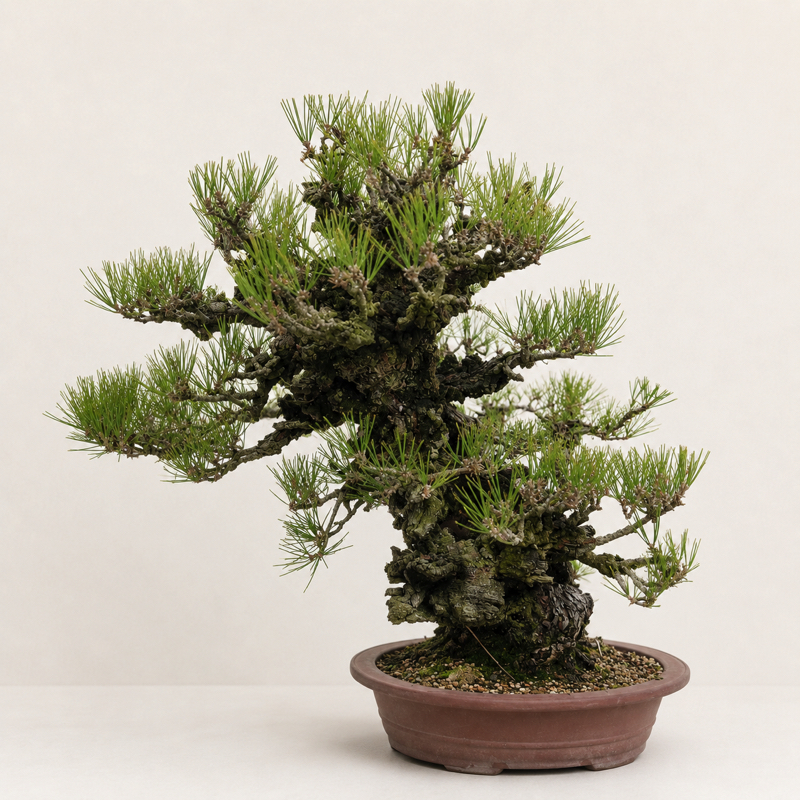
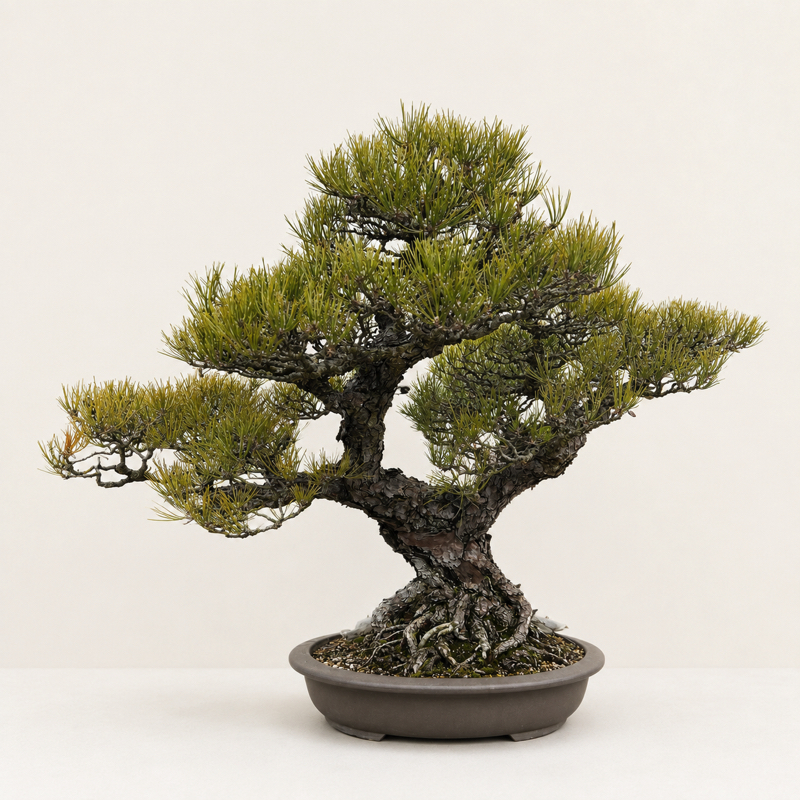
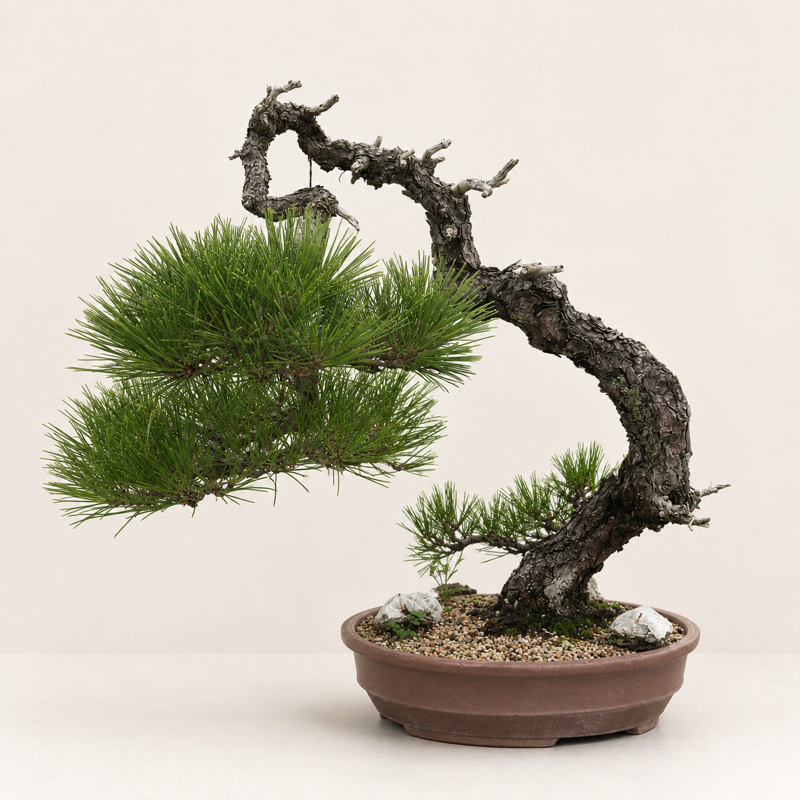
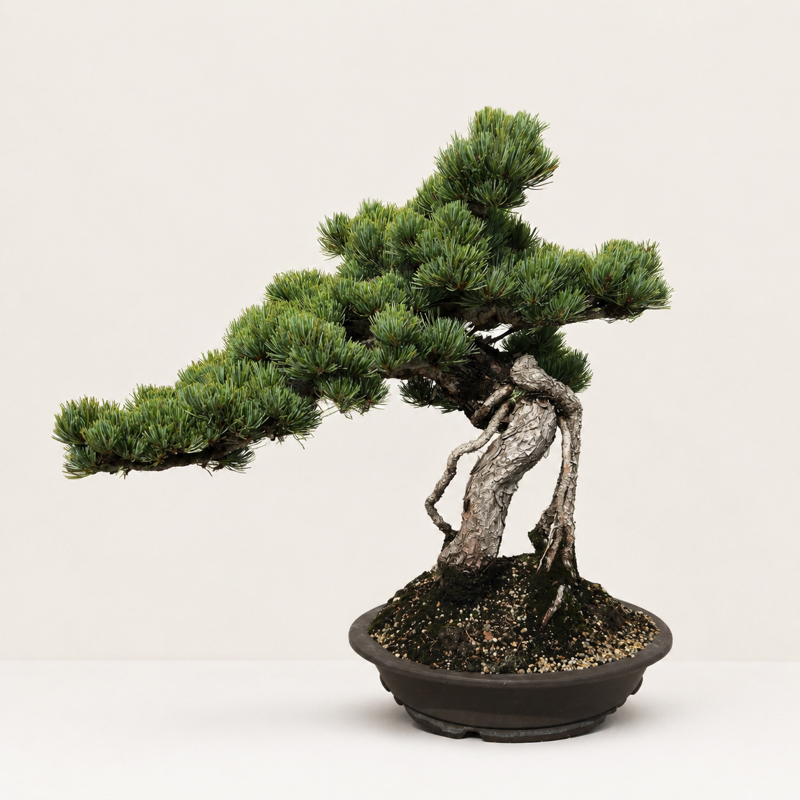
Kagawa Prefecture, and the area around Takamatsu in particular, boasts one of the largest production volumes of conifers such as black pine and Japanese white pine in Japan. What sets Kagawa's bonsai culture apart isn't just a handful of individual growers, but an entire regional ecosystem of cultivation, shaping, and distribution built up over generations. A culture in which growers share techniques and refine their craft together has also contributed to the exceptionally high skill level found throughout the region.
The Value of One-of-a-Kind Craftsmanship
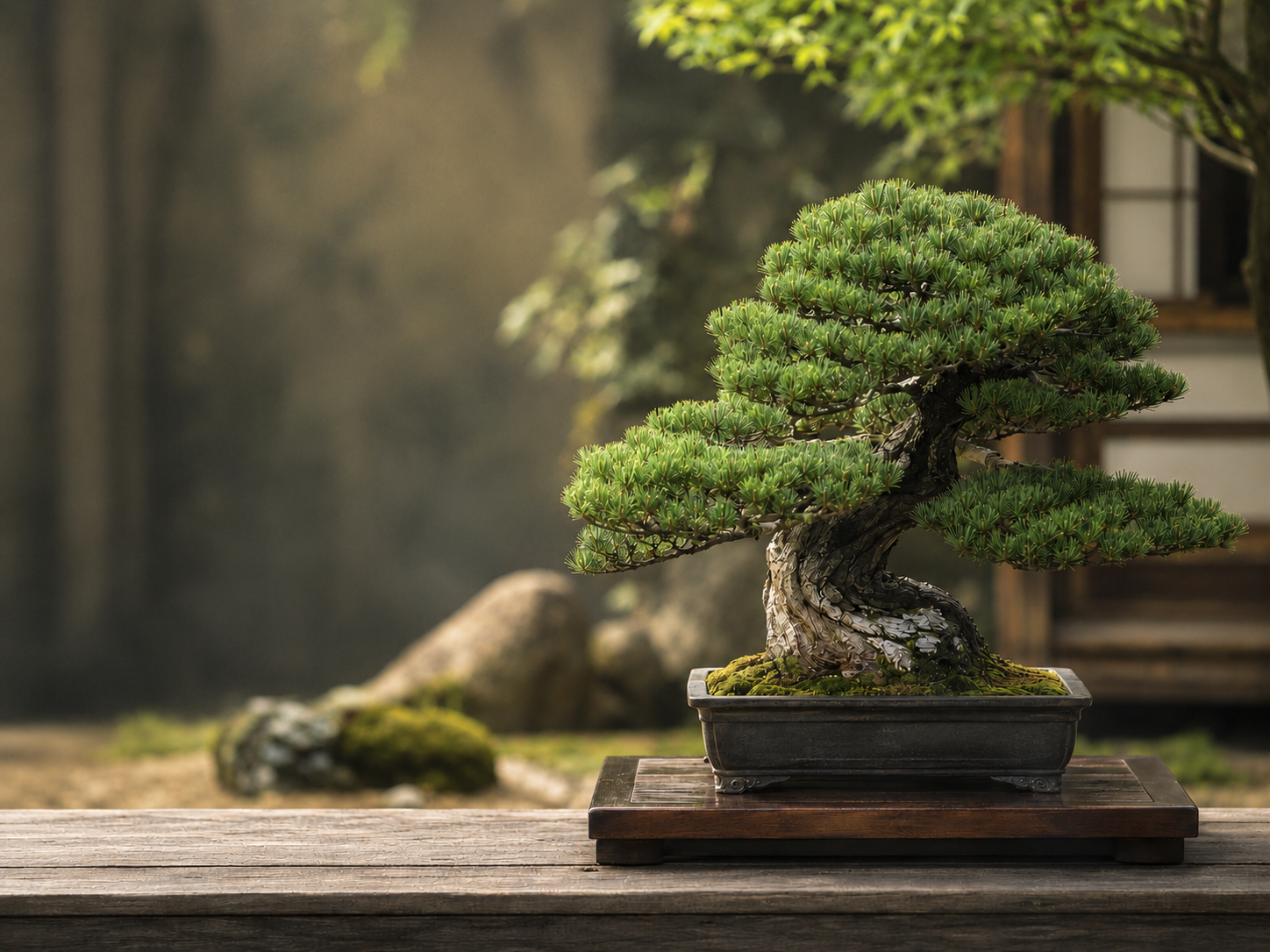
Shaping a bonsai's form over decades, starting from a single seed or sapling, is truly a crystallization of time and skill. Through years of careful pruning, pinching, and repotting, each tree develops its own unique character and form. Even among trees of the same species, no two bonsai ever share the exact same shape.
What Kagawa Bonsai Strives For
At Kagawa Bonsai, we honor the dedication and skill of these local growers and artisans by delivering each individually cultivated, carefully tended tree to customers across the country. We hope that understanding this region's history and cultural background will help you appreciate the beauty of bonsai on an even deeper level. If you're just starting your bonsai journey, be sure to check out our beginner's guide to choosing your first bonsai.