
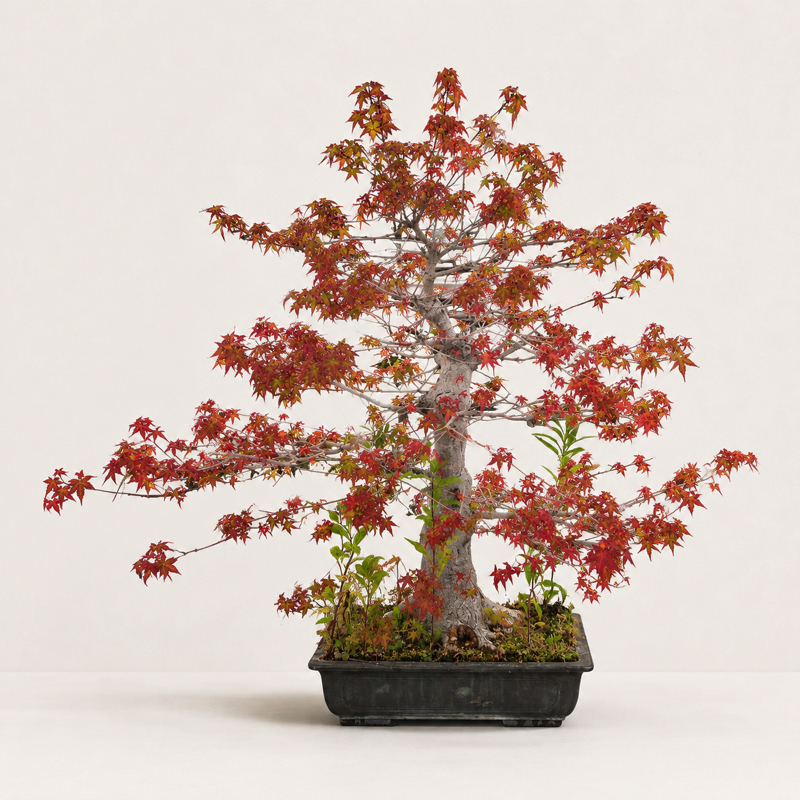
Repotting and Choosing a Pot: Keys to Enjoying Bonsai Long-Term
Because bonsai are grown in a limited amount of soil, the roots can eventually fill the pot over time, making it harder for the tree to absorb water and nutrients efficiently. This is where repotting becomes essential. This guide covers the signs that repotting is needed, the ideal timing, the basic steps involved, and how to choose a pot that brings out the best in your tree's shape.
Signs Your Bonsai Needs Repotting
- Roots emerging from the drainage holes at the bottom of the pot
- Water pooling on the surface instead of soaking into the soil when you water
- Noticeably weaker new growth compared to previous seasons
If you notice any of these signs, your tree's roots may have become root-bound, filling the pot completely.
When to Repot
Repotting frequency varies depending on the species and age of the tree, but a general guideline is once every 2–3 years. Younger, faster-growing trees may need more frequent repotting, while older, more mature trees can go longer between repottings. The best timing is in early spring, just before new growth begins in earnest.
Basic Steps for Repotting
- Carefully remove the tree from its pot. Gently tap the rim of the pot or use a root hook to loosen the tree without damaging the roots.
- Remove the old soil. Use a root hook or chopstick to gently work old soil away from around the roots.
- Trim the roots. Using clean shears, trim back any overly long or damaged roots to a manageable length.
- Plant in fresh soil. Add fresh bonsai soil from the bottom of the pot up, making sure it works its way in between the roots.
- Water thoroughly. After planting, water until it flows from the drainage holes, helping the soil settle in around the roots.
Tips for Choosing a Pot
Getting the Size Right
A pot that's too large relative to the tree can make the overall composition look unbalanced, while one that's too small leads to the roots becoming bound again quickly. Choose a size that allows the roots to spread naturally while keeping the tree's overall proportions in mind.
Material and Design
Ceramic pots come in a wide range of colors, textures, and shapes, each of which can significantly change how the tree's form is perceived. Understated, muted pots let the tree take center stage, while more decorative pots can add a touch of elegance.
Matching the Pot to the Tree's Shape
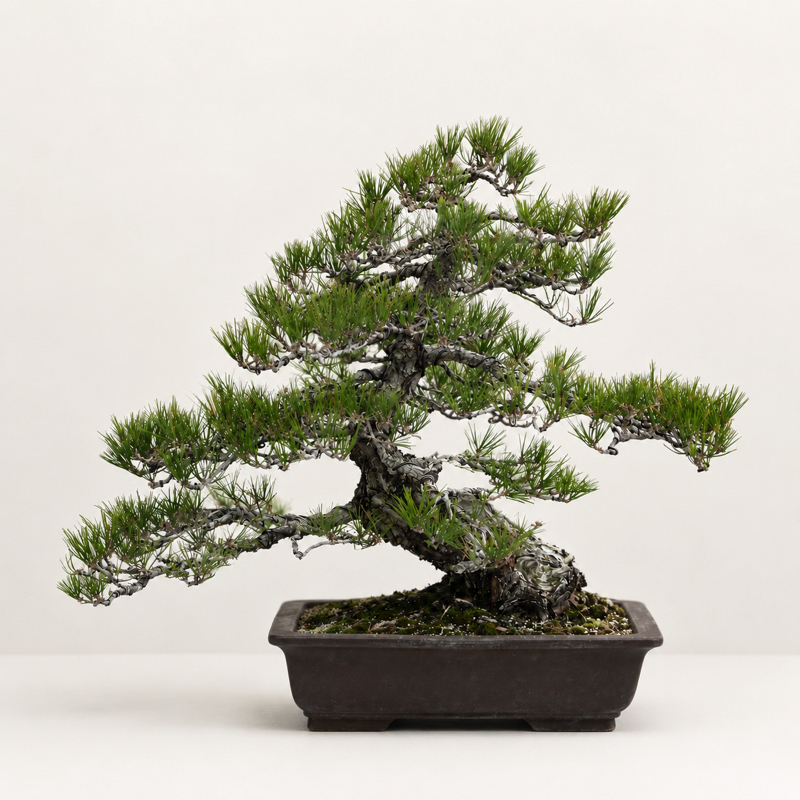
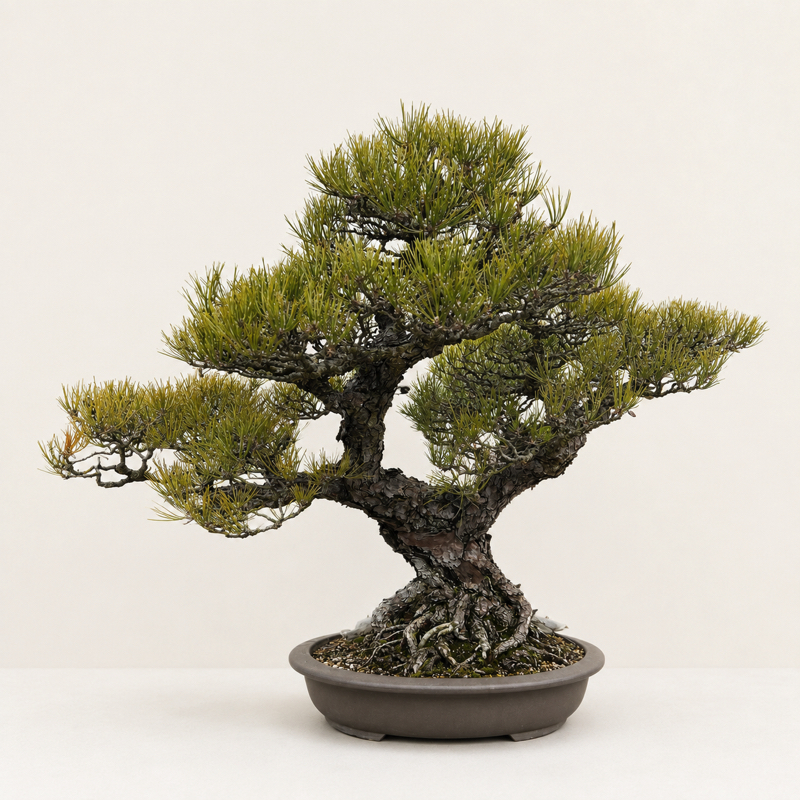
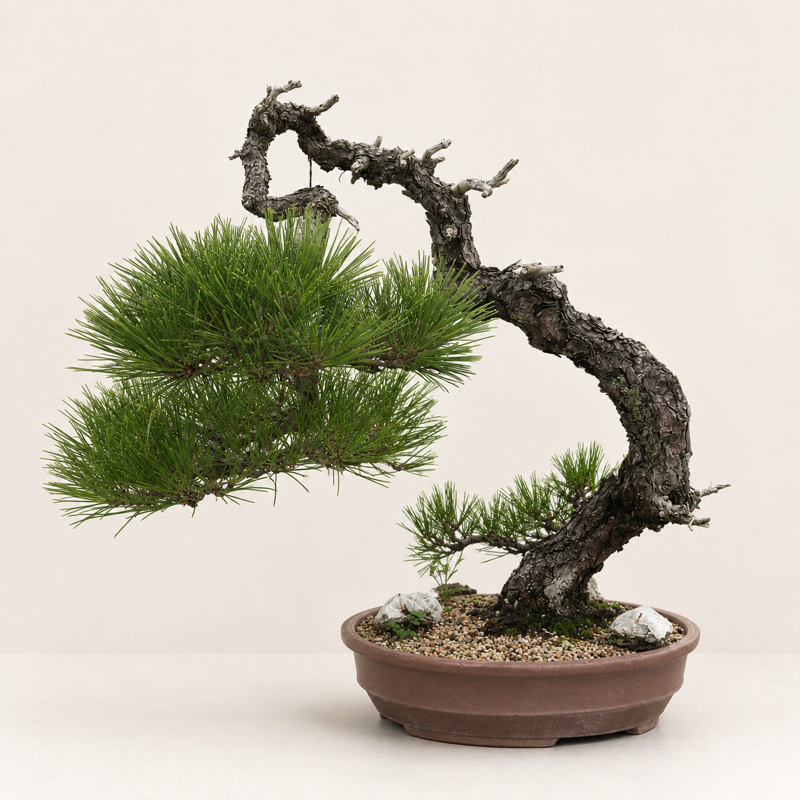
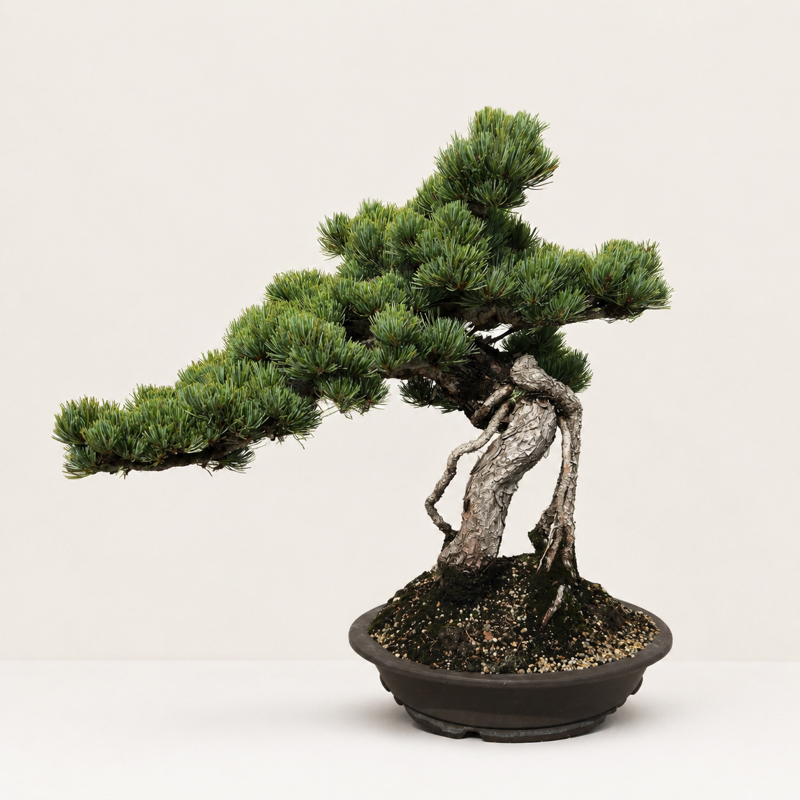
A stable, rectangular pot suits an upright tree well, while an oval or round pot often complements a more flowing, curved form. Choosing a pot that matches your tree's style elevates the overall composition.
Caring for Your Bonsai After Repotting
Right after repotting, the roots are especially delicate, so keep the tree out of direct sunlight and strong wind for one to two weeks to let it recover. It's also best to hold off on fertilizing until the roots have settled in. Once the tree has stabilized, you can return to your regular care routine.
Repotting can be stressful for a tree, but doing it correctly helps your bonsai stay healthy and enjoyable for many years to come. Pair it with our guide to pruning and pinching basics as you continue shaping your tree.